A modern lifestyle brand redefining motherhood
Print Friendly and PDF

When I'm with my mom friends, we talk about all sorts of things. Our baby's "first" moments that made us giddy, how incredibly fast boys manage to wear through sneakers, the eye rolls that our daughters are giving us on the regular—we've usually covered this and many more topics within five minutes of saying hello.

But my favorite thing to chat about with my mom friends is everyone's latest favorite products. Maybe it's a toy, an app, a nursing bra or a crib—I take their opinion and file it in my mom brain of things worth trying. Why? Because I trust my mamas! If they love something, I'm likely to love it, too. It's really that simple. Why?

Because moms get that we need the best products for our brood, and that with finances almost always stretched thin, we don't want to waste precious dollars on something that's just "meh."

Which is why I was so excited to learn the top 20 baby products mama's are obsessing over at Walmart right now. From veggie packs and a jogging stroller to a diaper backpack and a night light/sound machine combo, the below items are the ones currently flying off Walmart's shelves because moms can't get enough of them.

Shop all of the products below, and rest assured that these picks are mom-approved.

Nanobebe Baby Bottle, Sippy Cups & Accessories Microwave Steam Sterilizer

Nanobebe Sterilizer

Eliminate 99.9% of bacteria by simply microwaving your Nanobebe feeding accessories for four minutes. Done and done!

Price: $24.99

SHOP

Hatch Baby Rest Night Light & Sound Machine

A nightlight and sound machine combo, Hatch is also a time-to-rise regulator that you can control from an app on your phone. Read: No more kiddos coming into your bed at 5:30 am!

Price: $59.99

SHOP

NUK Simply Natural Freemie Double Electric Breast Pump
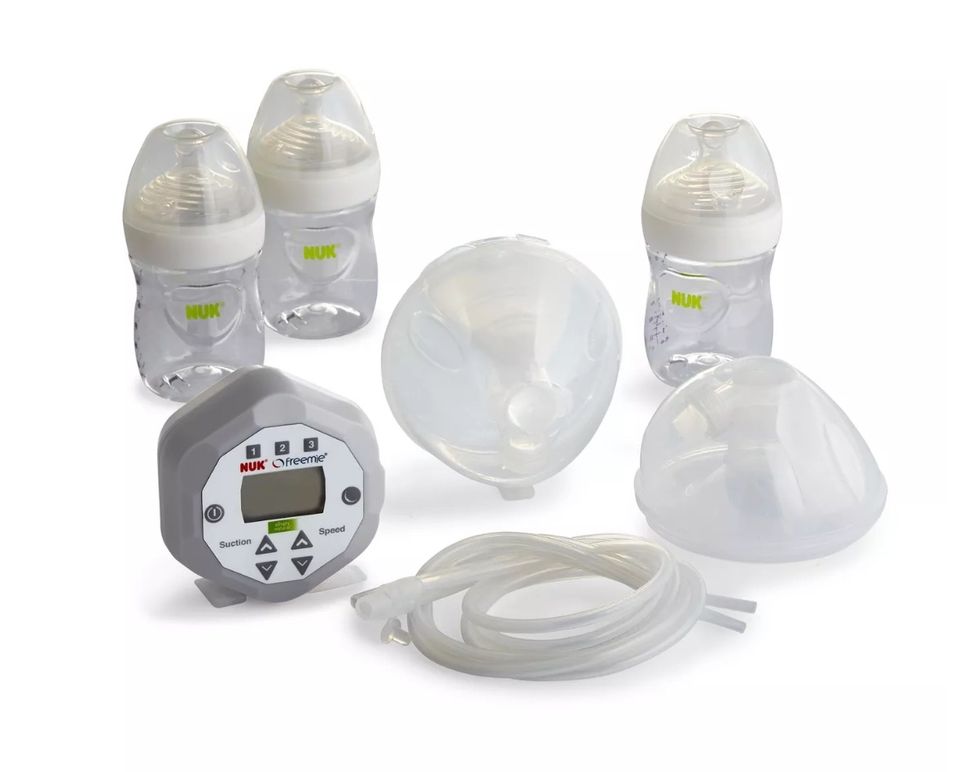
Nuk Simply Natural Breast Pump

A super quiet breast pump that is portable and has hospital-level suction capabilities? Yup, it does exist, and moms love it.

Price: $183.99

SHOP

Jujube Be Right Back in Whimsical Whisper


Chock full of mesh interior pockets, this backpack also comes with a removable changing pad... and the best part? It allows mama to be hands free!

Price: $163.00

SHOP

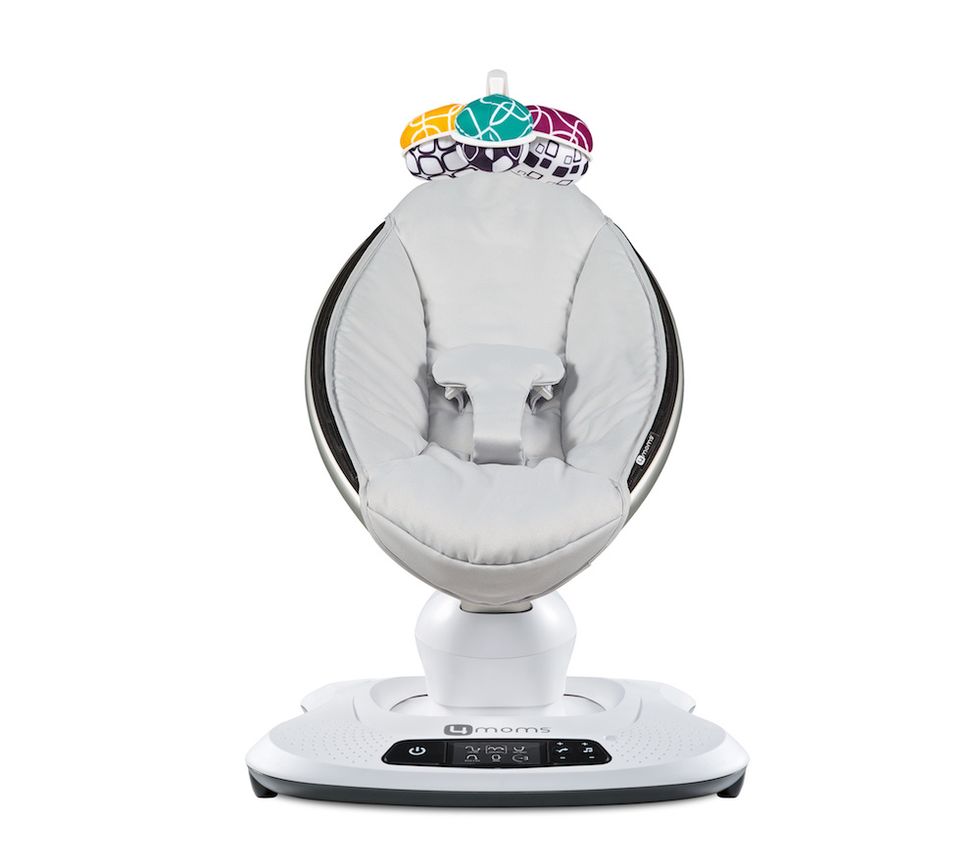
4moms mamaRoo4 Baby Swing

mamaroo baby swing

Things you don't realize prior to having baby: You need a safe place to put them sometimes (ya know, when you're making dinner or you have to go to the bathroom) and it's a bonus if they are rocked quietly with some supplied background noise. The 4moms Mamaroo is a cult favorite for a reason!

Price: $219.99-$244.99

SHOP

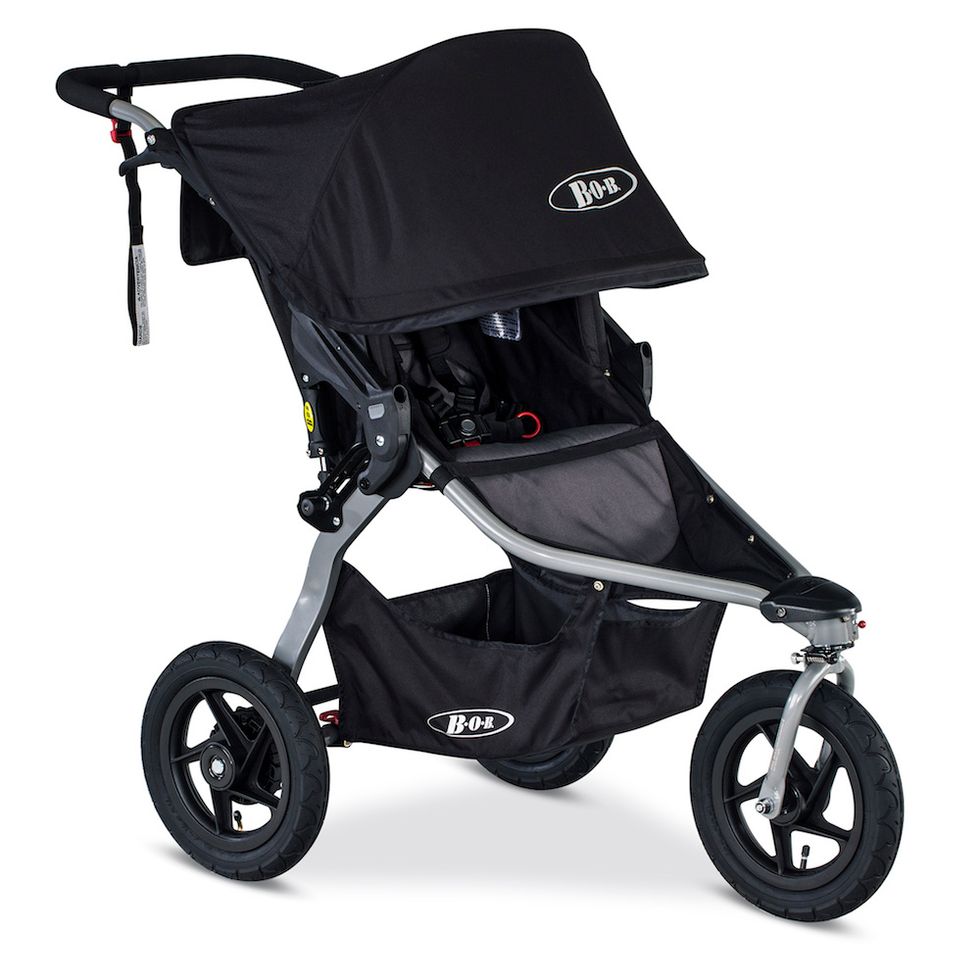
BOB Rambler Jogging Stroller

Bob stroller

The jogging stroller category stalwart, the Bob Rambler can go wherever you go—from rough trails to sandy beaches—thanks to its 12-inch air-filled tires and easy maneuverability.

Price: $359.99

SHOP

ExerSaucer Lightweight Activity Jumper
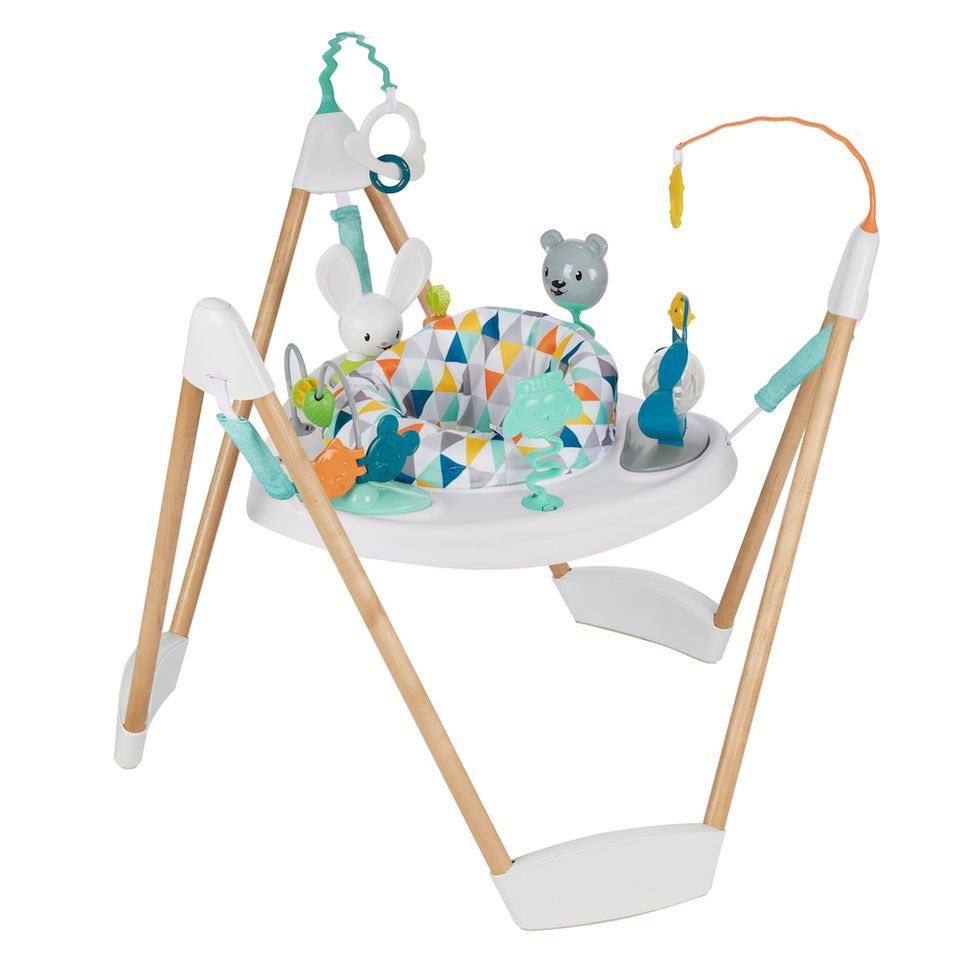
ExerSaucer Jumper

The moms have spoken! And it turns out they want a functional bouncer that is also easy on the eyes (no neon colors!). We love how the light wood and white accents are minimalist.

Price: $84.58

SHOP

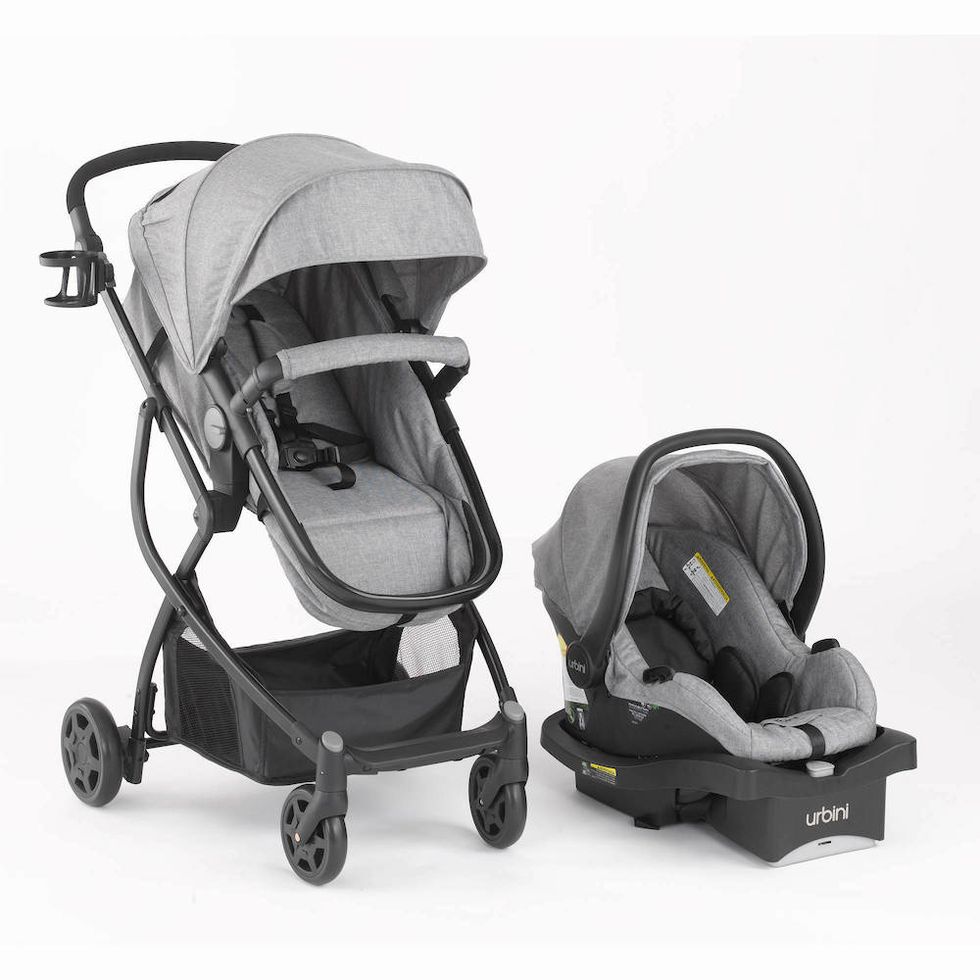
Urbini Omni Plus 3 in 1 Travel System

Urbini Omni

This is an amazing deal. Not only do you get a lightweight, fully-reclining stroller, but this set also comes with an adaptable infant car seat. For under $200.00!

Price: $169.00

SHOP

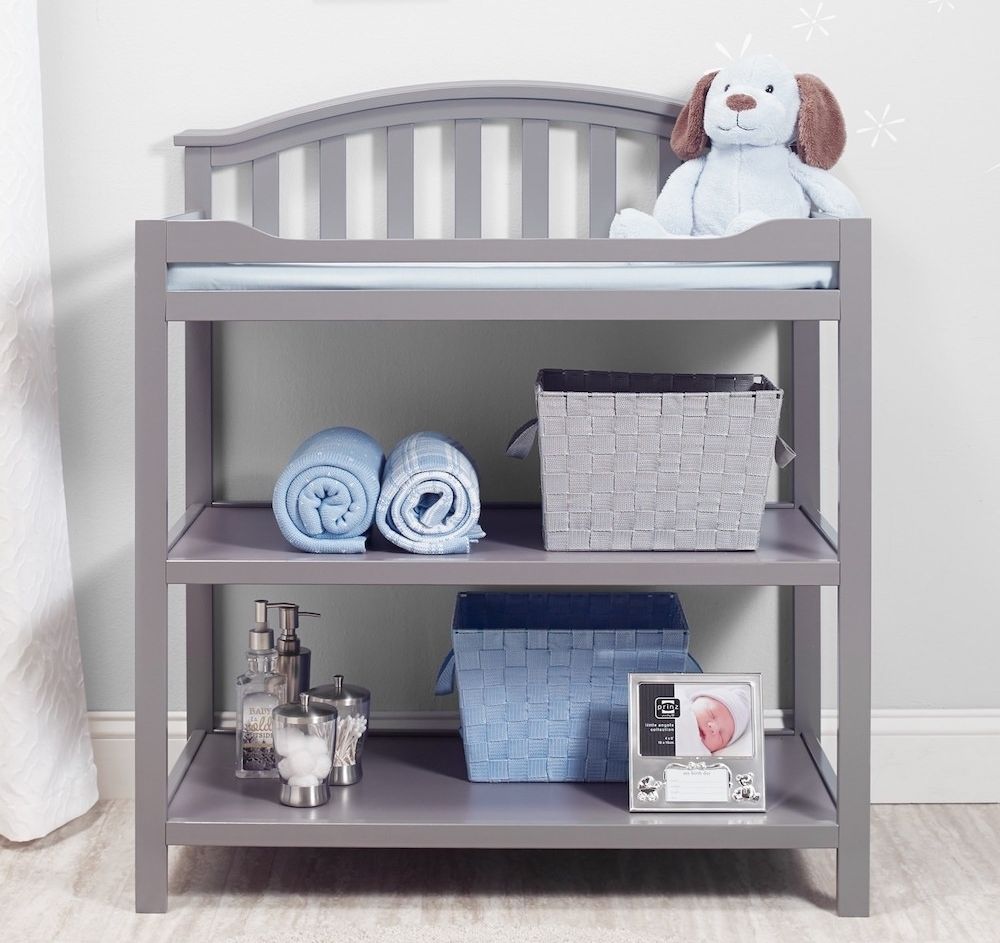
Sorelle Berkley Dressing Table

Sorelle Berkley

This simple, chic nursery item fulfills it's purpose (changing station! storage!) without take up too much space.

Price: $76.83

SHOP

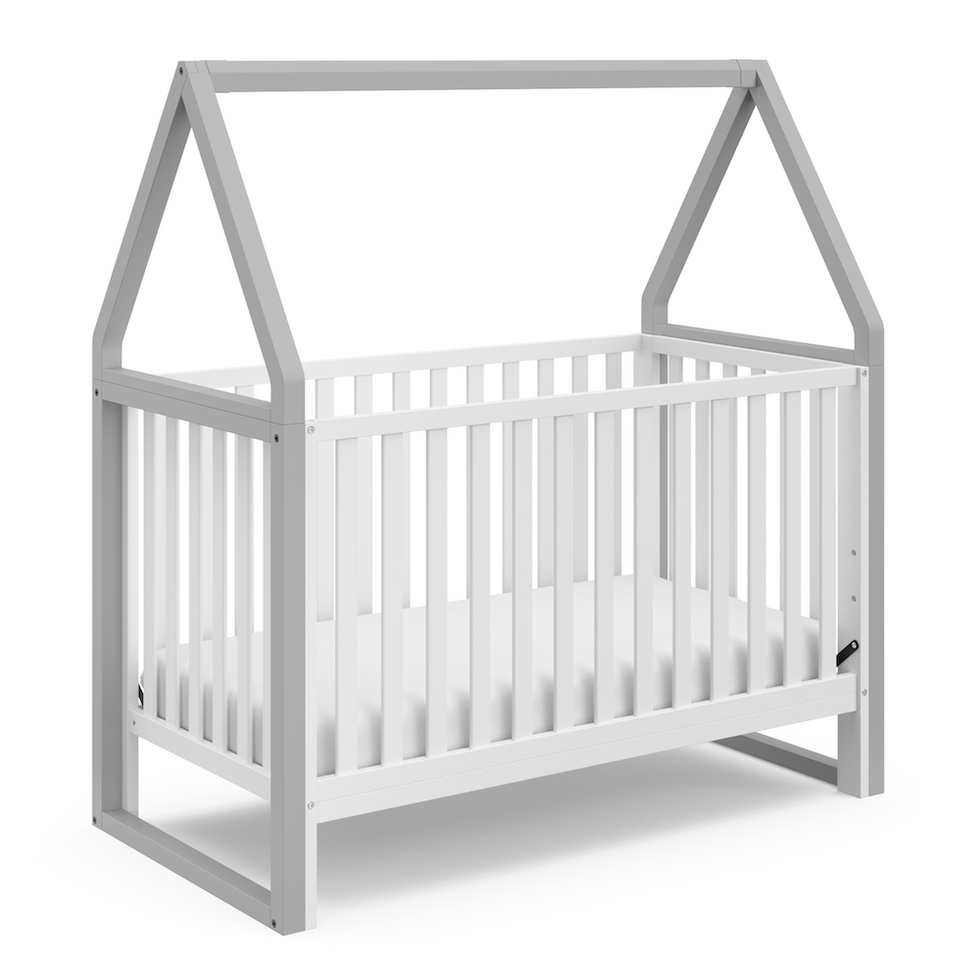
Storkcraft Orchard Canopy 5-in-1 Convertible Crib
storkcraft crib

Let us count the ways we utterly adore this crib. Modern and playful, this would look beautiful in any nursery, and it pays for itself seeing as how it grows from crib, to toddler bed, to day bed to full-sized bed!

Price: $349.99

SHOP

Baby Relax Mikayla Swivel Gliding Recliner

Baby Relax Mikayla Swivel Gliding Recliner

Besides the crib, the glider is the most important piece of furniture in the nursery. You'll be feeding your baby multiple times a day there and squeezing in all of the snuggles and story time. We love this contrasting white piping and button tufting on this one.

Price: $289.00+

SHOP

Bedtime Originals Acorn 3-Piece Crib Bedding Set

Baby bedding set

Bearing a sweet woodland patter, this crib linen set includes a quilt, blanket and bed skirt.

Price: $59.99

SHOP

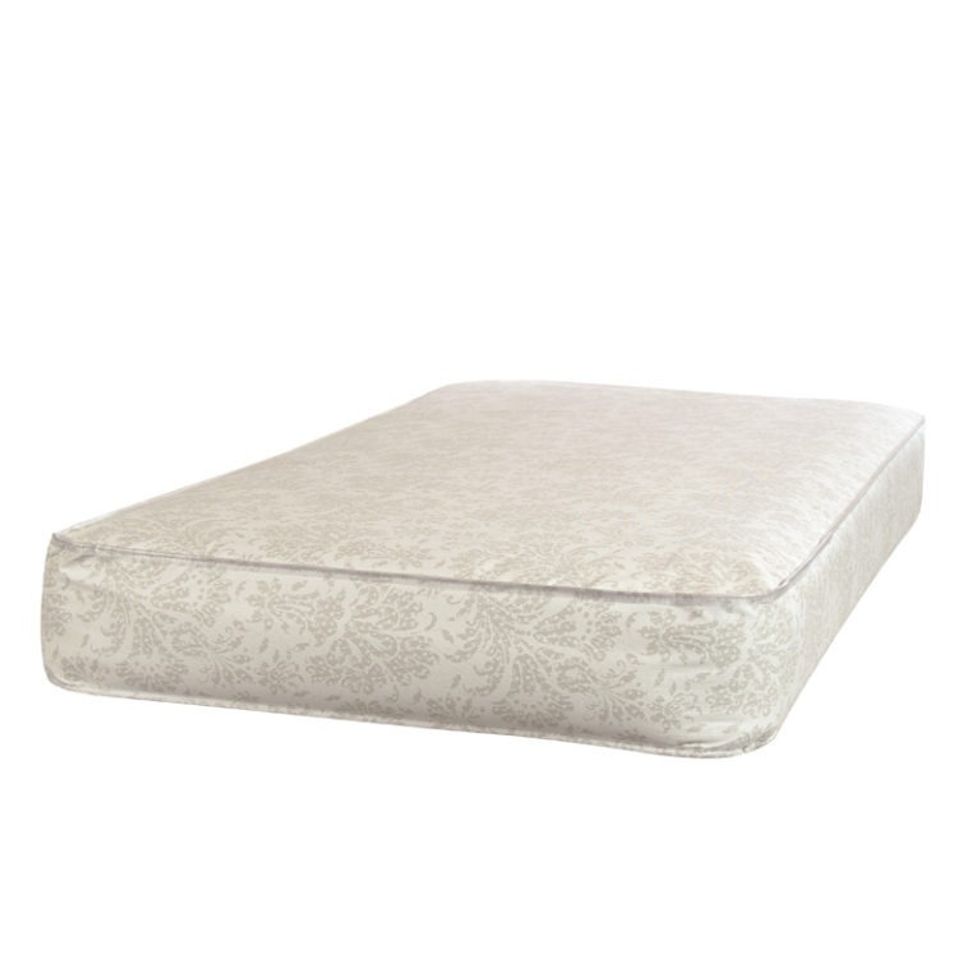
Sealy Ortho Rest Crib and Toddler Mattress
Sealy Crib Mattress

With more than 1,100 reviews on Amazon, this waterproof mattress can easily transition from crib to toddler bed.

Price: $55.99

SHOP

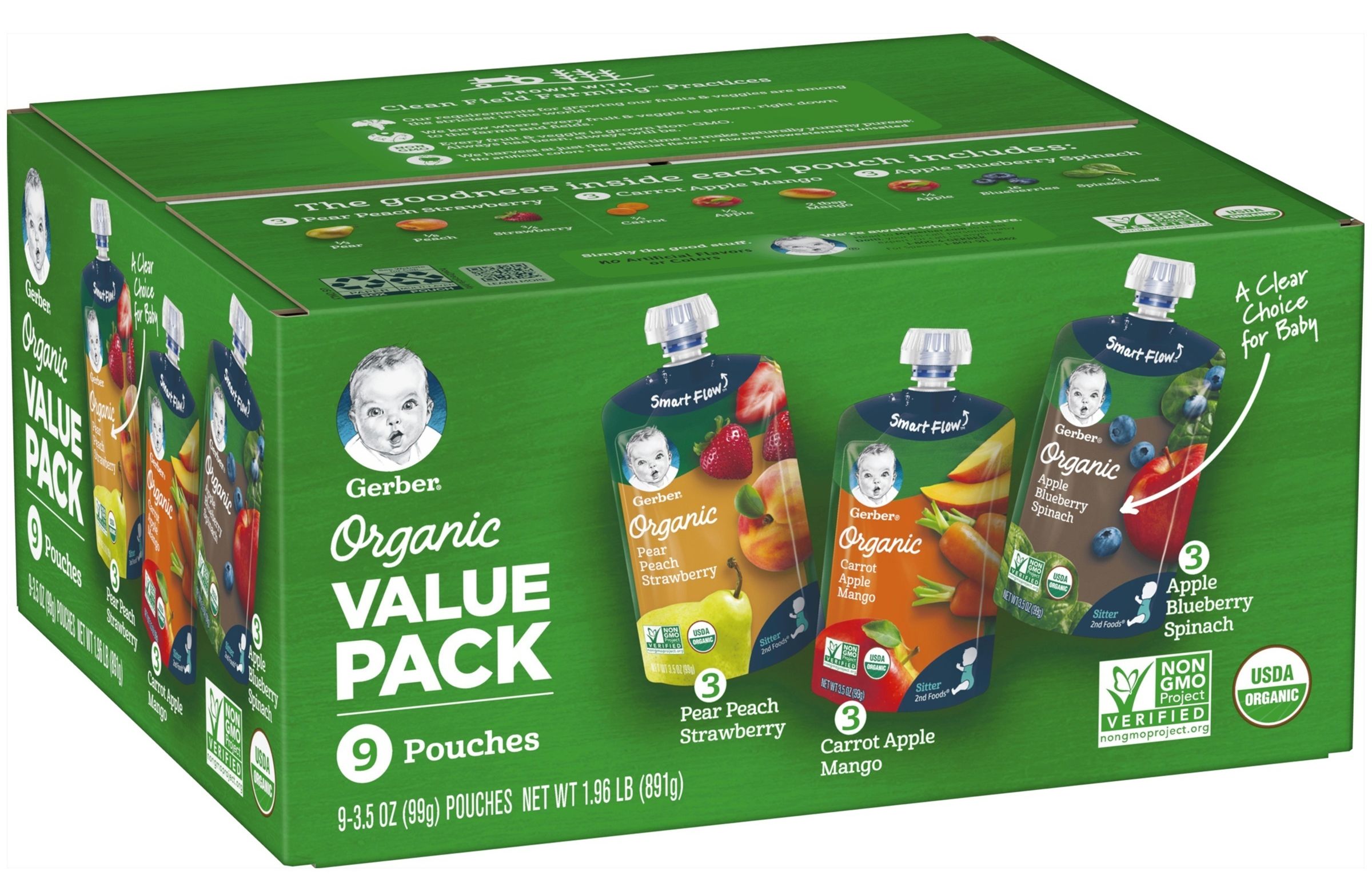
Gerber Organic 2nd Food Pouches Value Pack
Gerber Value Pack

Have you ever run out of veggie pouches in your house? Trust me when I say it's not a pleasant scenario. Stock up on these so that never happens.

Price: $12.48

SHOP

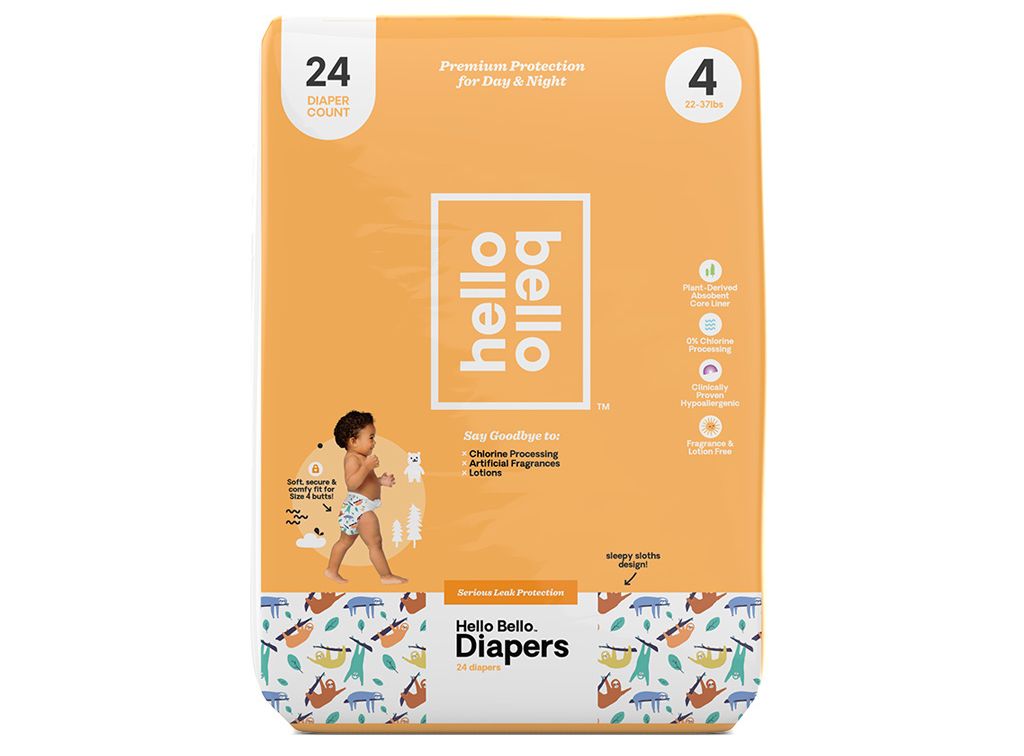
Hello Bello Diapers Jumbo Pack

Hello Bello Diapers

From the new baby brand created by Kristen Bell and Dax Shepard, these eco-friendly, hypoallergenic diapers are also super absorbent. Score!

Price: $7.97-$29.97

SHOP

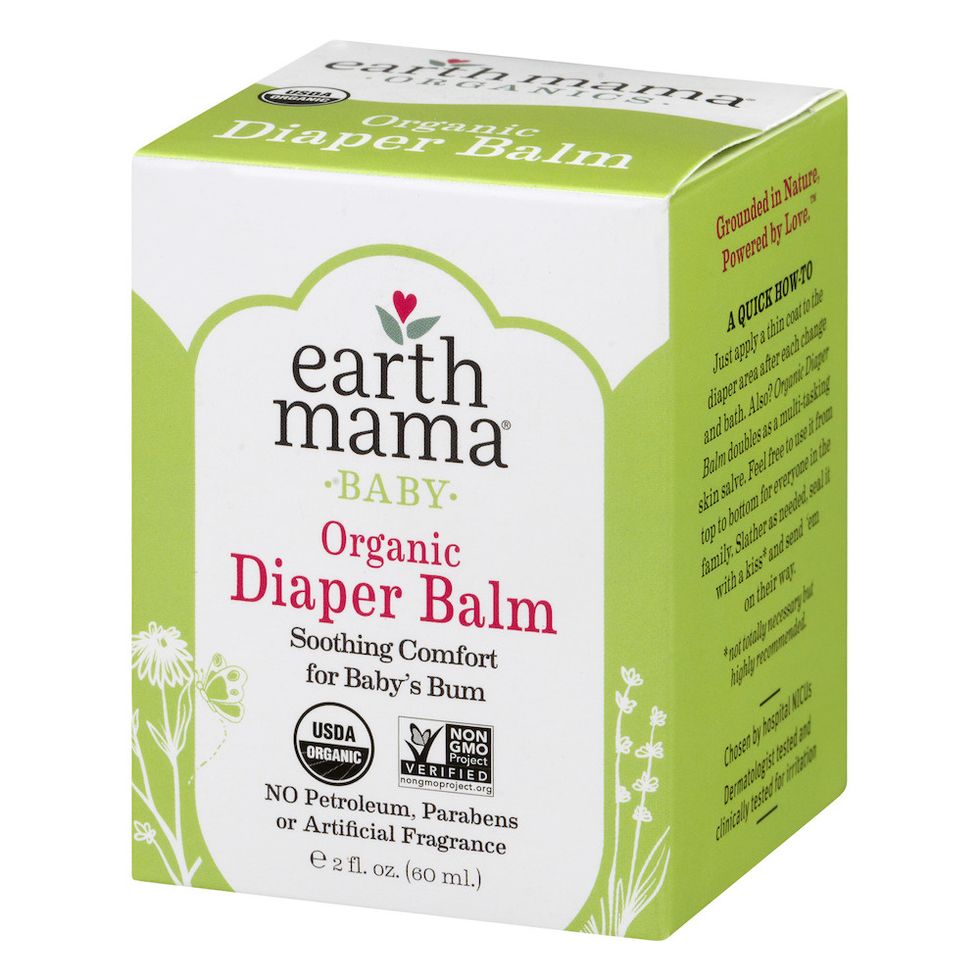
Earth Mama Organic Diaper Balm

Earth Mama Diaper Balm

Diaper rashes happen and they happen fast so stock your changing tables with this organic balm for your baby's tush.

Price: $8.90

SHOP

Hello Bello Mineral Sunscreen Lotion

You want to slather natural, mineral sunscreens on your little one, but if you're like us, you're stressed about the high prices associated with most brands. Hello Bello is reinventing the wheel with this affordable tube of 50 SPF sunscreen that lathers on easily with zero thick white residue!

Price: $8.78

SHOP

Motherly is your daily #momlife manual; we are here to help you easily find the best, most beautiful products for your life that actually work. We share what we love—and we may receive a commission if you choose to buy. You've got this.

You might also like:

The very best of Motherly — delivered when you need it most.

Subscribe for inspiration, empowering articles and expert tips to rock your best #momlife.

Already a subscriber? Log in here.

We spend a lot of time prepping for the arrival of a baby. But when it comes to the arrival of our breast milk (and all the massive adjustments that come with it), it's easy to be caught off guard. Stocking up on a few breastfeeding essentials can make the transition to breastfeeding a lot less stressful, which means more time and energy focusing on what's most important: Your recovery and your brand new baby.

Here are the essential breastfeeding tools you'll need, mama:

1. For covering up: A cute nursing cover

First and foremost, please know that all 50 states in the United States have laws that allow women to breastfeed in public. You do not have to cover yourself if you don't want to—and many mamas choose not to—and we are all for it.

That said, if you do anticipate wanting to take a more modest approach to breastfeeding, a nursing cover is a must. You will find an array of styles to choose from, but we love an infinity scarf, like the LK Baby Infinity Nursing Scarf Nursing Cover. You'll be able to wear the nursing cover instead of stuffing it in your already brimming diaper bag—and it's nice to have it right there when the baby is ready to eat.

Also, in the inevitable event that your baby spits-up on you or you leak some milk through your shirt, having a quick and stylish way to cover up is a total #momwin.

2. For getting comfortable: A cozy glider

Having a comfy spot to nurse can make a huge difference. Bonus points if that comfy place totally brings a room together, like the Delta Children Paris Upholstered Glider!

Get your cozy space ready to go, and when your baby is here, you can retreat from the world and just nurse, bond, and love.

3. For unmatched support: A wire-free nursing bra

It may take trying on several brands to find the perfect match, but finding a nursing bra that you love is 100% worth the effort. Your breasts will be changing and working in ways that are hard to imagine. An excellent supportive bra will make this so much more comfortable.

It is crucial to choose a wireless bra for the first weeks of nursing since underwire can increase the risk of clogged ducts (ouch).The Playtex Maternity Shaping Foam Wirefree Nursing Bra is an awesome pick for this reason, and because it is designed to flex and fit your breasts as they go through all those changes.

4. For maximum hydration: A large reusable water bottle

Nothing can prepare you for the intense thirst that hits when breastfeeding. Quench that thirst (and help keep your milk supply up in the process) by always having a water bottle with a straw nearby, like this Exquis Large Outdoor Water Bottle.

5. For feeding convenience: A supportive nursing tank

Experts recommend that during the first weeks of your baby's life, you breastfeed on-demand, meaning that any time your tiny boss demands milk, you feed them. This will help establish your milk supply and get everything off to a good start.

What does this mean for your life? You will be breastfeeding A LOT. Nursing tanks, like the Loving Moments by Leading Lady, make this so much easier. They have built-in support to keep you comfy, and you can totally wear them around the house, or even out and about. When your baby wants to eat, you'll be able to quickly "pop out" a breast and feed them.

6. For pain prevention: A quality nipple ointment

Breastfeeding shouldn't hurt, but the truth is those first days can be uncomfortable. Your nipples will likely feel raw as they adjust to their new job. This will get better! But until it does, nipple ointment is amazing.

My favorite is the Earth Mama Organic Nipple Butter. We love that it's organic, and it is oh-so-soothing on your hard-at-work nipples.

Psst: If it actually hurts when your baby latches on, something may be up, so call your provider or a lactation consultant for help.

7. For uncomfortable moments: A dual breast therapy pack

As your breasts adjust to their new role, you may experience a few discomforts—applying warmth or cold can help make them feel so much better. The Lansinoh TheraPearl 3-in-1 Breast Therapy Pack is awesome because you can microwave the pads or put them in the freezer, giving you a lot of options when your breasts need some TLC.

Again, if you have any concerns about something being wrong (pain, a bump that may be red or hot, fever, or anything else), call a professional right away.

8. For inevitable leaks: An absorbing breast pad

In today's episode of, "Oh come on, really?" you are going to leak breastmilk. Now, this is entirely natural and you are certainly not required to do anything about this. Still, many moms choose to wear breast pads in their bras to avoid leaking through to their shirts.

You can go the convenient and disposable route with Lansinoh Disposable Stay Dry Nursing Pads, or for a more environmentally friendly option, you can choose washable pads, like these Organic Bamboo Nursing Breast Pads.

9. For flexibility: A breast pump

Many women find that a breast pump becomes one of their most essential mom-tools. The ability to provide breast milk when you are away from your baby (and relieve uncomfortable engorged breasts) will add so much flexibility into your new-mom life.

For quick trips out and super-easy in-your-bag transport, opt for a manual pump like the Lansinoh Manual Breast Pump .

If you will be away from your baby for longer periods of time (traveling or working outside the home, for example) an electric pump is your most efficient bet. The Medela Pump In Style Advanced Double Electric Breast Pump is a classic go-to that will absolutely get the job done, and then some.

10. For quality storage: Breast milk bags

Once you pump your liquid gold, aka breast milk, you'll need a place to store it. The Kiinde Twist Pouches allow you to pump directly into the bags which means one less step (and way less to clean).

11. For keeping cool: A freezer bag

Transport your pumped milk back home to your baby safely in a cooler like the Mommy Knows Best Breast Milk Baby Bottle Cooler Bag. Remember to put the milk in a fridge or freezer as soon as you can to optimize how long it stays usable for.

12. For continued nourishment: Bottles

Nothing beats the peace of mind you get when you know that your baby is being well-taken of care—and well fed—until you can be together again. The Philips Avent Natural Baby Bottle Newborn Starter Gift Set is a fan favorite (mama and baby fans alike).

This article is sponsored by Walmart. Thank you for supporting the brands that support Motherly and mamas.

Our Partners

Giving birth is incredibly hard on the human body but sometimes people forget that.

Bachelor In Paradise star Tanner Tolbert watched his wife, fellow Bach alum Jade Roper Tolbert, give birth to their second child in the closet of their master bedroom just four weeks ago but may need a refresher on how hard giving birth is.

On another Bachelor Nation star's podcast this week Tanner made some comments that suggest he doesn't fully understand what Jade's body just did less than a month ago and that he is pressuring her for sex (did we mention the baby is not even a month old? And was born in a closet? And that it all happened in like 75 minutes? And that she "received several stitches"?)

Speaking to Bachelor-turned-podcaster Nick Viall, Tanner said: "It is tough. I feel like I've begged for it. And I don't want to feel selfish — I hate asking, I hate trying, 'cause I don't want it to be pity sex."

😧

There's a lot to unpack there, but this problem goes way beyond Tanner Tolbert, as Diana Spalding, midwife and Motherly's Digital Education Editor and Birth Expert, explains.

"Our culture does such a disservice to postpartum women. Through subtle and not-so-subtle messaging, society has told women that their needs are not a priority, and that they should not listen to their bodies—whether its the pressure to 'bounce back' and lose the baby weight, or satisfying some idealized and impossible narrative about sex."

Unfortunately, our second annual State of Motherhood survey revealed that Tanner is hardly the only person pressuring their postpartum partner for sex. Nearly a third of Millennial moms (31%) say they had sex with their partner before they felt ready to do so.

Earlier this year we asked 6,457 respondents about their postpartum sex lives and learned that for 40% of new moms it takes between six months and a year to want to have sex again. Only 11% of moms told us they were interested in having sex before six weeks postpartum.

So if Jade's not ready, she's not ready, and she's hardly alone. But sadly, Tanner's clearly not the only guy who isn't fully appreciating what a woman's body goes through when giving birth. (Guys, imagine running a marathon and having a wound the size of a dinner plate in an internal organ and then you're still not quite there.)

According to Spalding, resuming a sex life after having a baby can be empowering, but it's not going to be empowering or fun if a woman is feeling pressured to do it.

It is not fair for Tanner or any partner to pressure a postpartum woman to have sex before she is ready.

We are not here to vilify Tanner, but we are concerned by his flippant comments and we are concerned that Jade and so many millennial moms are having sex before they want to. This highlights a serious problem with postpartum education and our healthcare system.

According to Spalding, if a mother is suffering from any kind of pelvic floor dysfunction or ended up with vaginal, anal, or vulvar injuries from pregnancy and birth, having sex before she's comfortable and without getting proper medical care first could further injure her.

Unfortunately, some moms don't get treatment for these kinds of injuries because they may not know that they have them or that they don't have to live this way.

"This is, unfortunately, a shortcoming of our healthcare system, as it does not provide sufficient education and support for women with these types of complications," says Spalding, who notes that research published in the journal Obstetrics & Gynecology suggests about 17–36% of mothers report experiencing painful sex at six months postpartum and that only about 15% of new moms bring this concern up with their doctor.

She wants more women to bring this up to their doctors and more partners to understand that pressuring or "begging" for sex is simply not okay. It is not okay!

Spalding wants postpartum mothers to understand that they matter. Mama, you are in charge of your intimacy timeline. Your comfort matters.

Jade, you matter.

Take your time, mama. You just had a baby.

You might also like:

News

We celebrate Labor Day because hundreds of years ago workers demanded a day off from their jobs, but on this Labor Day, we should remember that there are many in our society who don't get paid for their work—and who don't get a day off from it.

You could call these people unpaid laborers, but most just call them mom.

Labor Day began in the 1800s because factory workers were tired of working 70 hours a week. Here we are 200 years later and surveys still show that mothers report working nearly 100 hours a week, and don't get days off.

We are tired. We are burned out. And we need society to recognize the value of unpaid care work and redistribute it.

Why the work of parenting is still unequal

Today's mothers are spending more time doing paid labor than previous generations did, but we're also spending more time on childcare. Today's fathers, too, are spending more time on childcare than previous generations, but there is a big difference in how moms and dads in heterosexual partnerships spend time with their kids. Mothers are more likely to be doing care work while spending time with the children—the bathing, the cleaning, the feeding—while research finds that fathers' time with kids is more often spent on play and leisure activities.

This tracks with the results of our second annual State of Motherhood survey, which found the majority of partnered moms report handling most household chores and responsibilities themselves and 62% report having less than an hour to themselves.

If you're a dad, it might seem like having a spouse who does most of the household labor is a good deal, and research does prove that fathers are happier parents than mothers, but the research also shows that dads want to be more than the fun, weekend guy because while care work is incredibly undervalued and unequal it can also incredibly fulfilling (if the carer is also allowed to rest).

Today's fathers want to be equal parents and partners but a culture that devalues unpaid work holds them back and this is what allows unpaid work to keep holding women back.

Unequal labor for unequal pay

The wage gap is directly tied to the unequal distribution of unpaid labor. Time spent on unpaid labor impacts a mother's ability to do paid work and advance in her career. Our second annual State of Motherhood survey shows that when a heterosexual couple has children, mom is likely to scale back her paid work, and it's easy to see why many couples would make that choice.

For women, becoming a mother means doing unpaid work that is undervalued, but it also often means becoming undervalued in one's paid work. The motherhood penalty is real. According to the National Women's Law Center (NWLC) analysis of U.S. Census data, mothers only make about 71 cents to a dad's dollar (that's even worse than the wage gap between women and men, by as much as 10 cents).

Mothers often feel like they are being forced out of the workplace against their will, while fathers report that they desperately want more time with their children but feel they can't take time off even when it is offered for fear of losing career momentum.

Mom doing all the work at home while dad is hardly home sounds like an outdated notion, and that's because it is. When researchers at Boston College surveyed professional fathers, they found less than 5% of the fathers saw themselves as just a financial provider. The survey found most fathers believed they should share their children's caregiving equally with their spouses (but only about 30% said they were actually doing that).

A survey of professional fathers by Boston College's Center for Work and Family reports that most fathers do not want to be traditional breadwinners, but value their role in caring for their children.

Equality at work will lead to equality in unpaid work

Labor experts believe flexible workplace policies for everyone are the key to keeping women in the workforce. Such politics allow mothers and fathers to more equally manage the demands of parenting and paid work.

Researchers at Perdue University found that today's workers are "desperately seeking sustainable careers" and employers can provide those sustainable opportunities by getting flexible, streamlining and reducing needless busywork.

The research proves that employees don't need to be at their desk for 40 or 60 hours a week to be great at their job.

"The reality is many reduced-load workers work more intently and often get as much done as a full-time worker. This is because they enjoy the opportunity to have an interesting job yet still be able to flexible in a way that enables time for other life interests -- from continuing education, to caregiving to community involvement," Ellen Ernst Kossek, Professor at Purdue's Krannert School of Management explains.

It is not a coincidence that Nordic countries where paternity leave and flexible work are the norm are also the countries with the lowest pay gap and most involved fathers.

The recent State of the World's Fathers' report found that if men did at least 50 minutes of unpaid care work per day, women's workloads would be reduced by half.

The authors of the report urge lawmakers, companies and individuals to support men to do more care work in the hopes that the unpaid workload of mothers could be reduced by half by 2030 and so that fathers can be the caregivers that they so desperately want to be.

Let's give dads that 50 minutes so that we can give mothers their freedom.

You might also like:

News

Long summer days are slowly coming to an end, and that means it's time to indulge in pumpkin spice lattes (yes, we're that mama!) and binge-watch our new favorite fall TV shows. For Labor Day weekend, Amazon is making it easy to transition to cooler days by offering a free Echo Dot with the purchase of a Toshiba Fire TV Edition or an Insignia Fire TV Edition.

From now until Sept. 2, the 24-inch Insignia Fire TV Edition is on sale for $99.99 (the 32-inch Toshiba is only $129.99), which means you can score a smart TV AND an Amazon Echo Dot for less than $100.

For the rookies, the Echo Dot is an Alexa-enabled speaker that can practically do everything from simple tasks like playing music and audiobooks to keeping you up to date on the news and weather. The more you use it, the more it adapts to your speech patterns and personal references. It's essentially the mini assistant you've always wanted, and to be honest, we're obsessed.

How to get the deal? Add any Insignia or Toshiba Fire TV to your cart, followed by the 3rd Generation Echo Dot. The price of the Echo will be deducted when you checkout as long as you complete your transaction before 9 pm PT on September 2.

You work hard enough mama, it's time to take a break and relax in front of a new TV.

Motherly is your daily #momlife manual; we are here to help you easily find the best, most beautiful products for your life that actually work. We share what we love—and we may receive a commission if you choose to buy. You've got this.

You might also like:

Shop

Among the many postpartum changes we hear and read about, postpartum hair loss is something many mamas face. If you're among the 30-60% of women who are experiencing it in the months following birth, you may be wondering if your hair ever return to normal. The good news? It will—postpartum hair shed is a temporary phenomenon.

What is postpartum hair loss?

During pregnancy, your estrogen and progesterone levels soar, particularly from the second trimester. Estrogen, in particular, has a powerful effect on multiple systems in the body including the skin and sebaceous glands, and also on the underlying growth pattern of hair. Many women notice improvements in skin and hair quality during pregnancy and fast-growing, hydrated hair. The changes in hair can be attributed to the way estrogen impacts the specific pattern of growth unique to hair.

Our hair follicles, the small organs that produce hair, operate in a pattern of growth, rest and fall that repeats many times in your lifetime. Usually, each follicle follows its own pattern in its own time and in this manner—you are continually shedding at a rate of about 50-100 hairs a day. During pregnancy, the excess estrogen encourages the hair to enter and stay in the growth phase, grow faster and shed less, somewhat synchronizing the follicles in their growth.

Following labor and birth, estrogen and other hormone levels fall rapidly to pre-pregnancy levels. In addition, cortisol levels remain high, and in some women thyroid hormones can get out of balance. This creates a rapid synchronous transition of follicles out of their growth phase and into the resting phase. Couple this with the lack of sleep, potential nutritional stress and the demands of caring for a newborn and a perfect storm for hair loss is in place.

What is important to note is that when the follicles enter the resting phase, they begin to shed after 3-4 months. Scientifically, this process is known as telogen effluvium. The good news is that the fall is actually precipitated in most cases by the emergence of a new hair that has regenerated from stem cells in the scalp. And, it is important to remember that the hair fall does not happen until 3-4 months after birth, so implementing strategies early can help reduce the severity of the issue.

How to prevent postpartum hair loss

1. Take care of your hair

When your follicles are in the telogen phase (the resting phase of the hair follicle) they are in their most fragile state and can be dislodged easily. To avoid premature shedding, be gentle with your hair when brushing, washing and drying, and avoid tight hair styles that place too much traction on the follicles. A silk pillowcase can also help to make sure your hair isn't pulled out in your sleep. Being kind to your hair will ensure your telogen hairs stay in the scalp as long as possible.

2. Maintain a healthy diet

While the hormonal changes that contribute to postpartum hair loss can be unavoidable, nutritional changes and added demands on the body's energy after birth can also mess with the hair cycle. When the body is in nutrient imbalance, it shuttles energy to essential organ systems such as the brain, lungs, heart and liver, and away from unnecessary functions such as growing hair. Such changes can exacerbate or extend the period of postnatal hair loss. To avoid this, make sure you eat a well-balanced diet with plenty of protein, leafy greens, fruits and vegetables.

3. Get nutritional support

It's not always easy for a new family or growing family to prepare good balanced meals, or even eat at regular times after the arrival of a baby, To help your body get the nutrients it needs, try taking one of the many postnatal supplements available–these will supply the vitamins and minerals needed to minimize changes to your hair. Always ask the advice of your physician before starting any supplementation.

4. Minimize stress

Stress hormones, such as cortisol can have a negative impact on your hair cycle, compounding the hormonal changes after birth. While it may not be easy to relax with a newborn, you should be mindful to take some relaxing time out just for you. Try meditation or indulge in a regular massage or spa day. Gentle exercise such as modified postnatal yoga can also help reduce stress levels.

5. Change your style

Many new moms opt for a shorter, easy-to-manage hairstyle. Not only can shorter hair be styled to hide thinner hair, but shorter hair will also help when the new hair starts to grow in. All or most of the hair that sheds will grow back, but the process takes time. New hairs will appear as fly-aways, so this hairstyle will help the newer hairs blend with the remaining hair and they can grow out together.

6. Add volume + fortify

Look for gentle, lightweight cleansers and conditioners specifically designed to volumize, preferably clean and natural, with added ingredients such as keratin for fortification and baobab to provide hydration. Protect your remaining strands and add volume by using volumizing and texturizing products. A dry shampoo can also boost volume and texturize. Use sparingly and in a well-ventilated area.

7. Monitor your hair cycle

While some hair changes are inevitable for many women, there is natural technology that can help keep the hair cycle healthy. Professional activators are topically applied serums that use botanicals such as glycyrrhizin from licorice root, salicylic acid and a blend of botanicals such as sanguisorba and Japanese rose hips that act on the hair growth cycle, preventing excess hair fall and boosting growth. The topical évolis activators can be safely used during breastfeeding and can naturally support a healthy hair cycle, while the companion volume-boosting and fortifying shampoos, conditioners and hair masks have been specifically designed to support during excess hair fall and hair thinning.

You might also like:

Learn + Play
Motherly provides information of a general nature and is designed for educational purposes only. This site does not provide medical advice, diagnosis or treatment.Your use of the site indicates your agreement to be bound by our  Terms of Use and Privacy Policy. Information on our advertising guidelines can be found here.