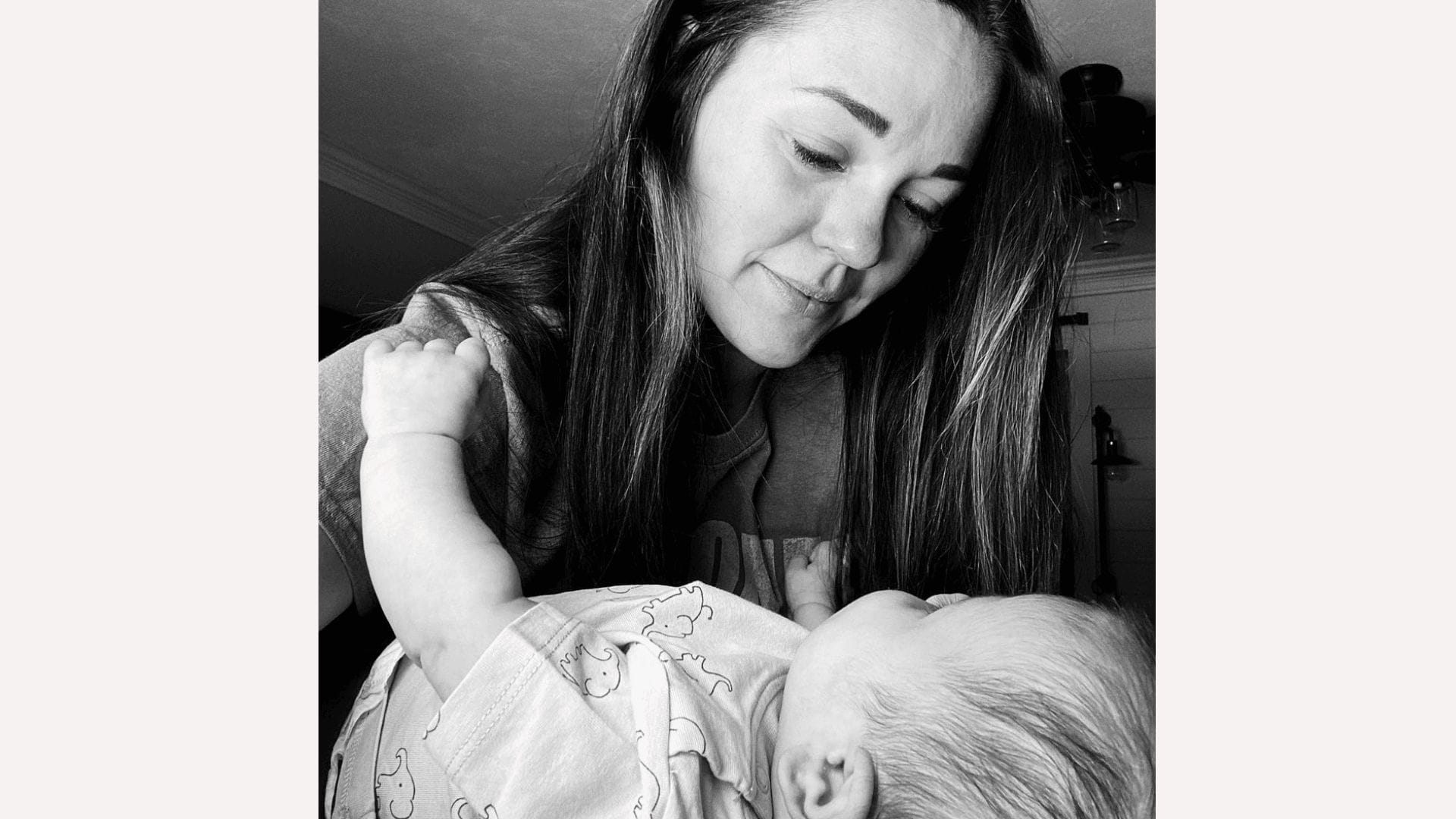
12 ways to quietly enjoy your baby and take your time, no rush

Credit: Canva/Motherly
Early parenthood moves fast, yet your days can feel endless. Here are gentle, doable ways to slow the pace, soak up your baby, and trust your own timing.
Table of Contents
Newborn life can feel like hurry up and wait. You move from feed to diaper to nap, then look up at an overflowing sink and a dozen unread texts. That tug to do more can drown out the tiny moments you wanted most. The truth many pediatricians and psychologists echo is that connection grows in quiet, repeated minutes. Consistency matters more than complexity. You do not need a perfect routine to enjoy your baby. You need small, intentional pauses that fit your real day.
This list leans into evidence-based care and common sense. Skin-to-skin supports bonding and regulation. Predictable cues help babies settle. Caregivers need rest, food, and a little beauty to show up well. You already know the basics. Consider these ideas a menu, not a mandate. Choose one or two today. Let the rest wait. You are allowed to take your time.
1. Open slow mornings
Keep the first 20 minutes device-free. Greet your baby, open a blind, and narrate one tiny plan for the day. Cue: say, “Good morning, I’m so glad you’re here.” That simple line sets a calm tone and helps you notice their awake face before the to-do list begins.
2. Make a skin-to-skin minute
Place baby on your chest for a few minutes during a quiet part of the day. Breathe together and watch their cues. According to the World Health Organization, immediate skin-to-skin care for small or preterm babies improves survival and stabilizes vital signs. If you are recovering from a C-section, find a supported position and ask a partner to help with transfers.
3. Turn feeding into a micro-meditation
Whether you breastfeed, bottle-feed, or combo-feed, try this: unclench your jaw, drop your shoulders, count five slow breaths, then watch your baby’s swallow. If thoughts rush in, label them and return to the sound of sucking. You fed your baby and fed your nervous system.
4. Keep contact naps guilt-free and safe
If today calls for a contact nap, treat it like a choice, not a failure. Build a cozy nest for you while baby sleeps on you. Read, listen, or simply rest. Prioritize safe sleep the rest of the time and avoid dozing with baby in unsafe positions. Quiet enjoyment counts as productive. The CDC emphasizes that babies should always sleep on a firm, flat surface without pillows or inclined products to reduce the risk of sleep-related death.
5. Make two-line “field notes”
Open a notes app or keep a tiny notebook. Each day, jot two lines: time, mood, one sweet detail. Example: “1:42 p.m., milk-drunk grin, left eyelash curls.” These notes become a time capsule and help you see patterns without tracking everything.
6. Create a one-song ritual
Choose one song for diaper changes, stroller buckles, or bath time. Play or hum it the same way every day. Babies love predictable cues. You get a built-in pause to enjoy a familiar moment that grows with them.
7. Step into the quiet hour
Pick a low-stimulation outing during baby’s calm window. Walk to a tree. Stand on the porch and feel the air. Name three things you notice together. If leaving the house is too much, open a window and let your baby feel a breeze on their toes.
8. Practice “soft focus” play
Lie next to your baby on a blanket. Put the phone across the room. Watch their hands discover light or fabric. Mirror one movement or sound, then wait. According to infant specialists, this serve-and-return attention helps wire connection. Five minutes is enough.
9. Use bath time as a spa moment
Before the bath, warm a towel in the dryer. After the bath, press it around your baby’s belly and hum. Keep the room cozy and lights low. The warm wrap plus your voice can turn a routine into something you both savor.
10. Anchor with a scent memory
Choose a gentle, baby-safe fragrance for you, like unscented lotion with a drop of your usual perfume on your wrist, or the smell of fresh laundry. Use it at the same time each day. Scent ties to memory and may become a calming cue for both of you.
11. Speak one “enjoyment phrase” daily
Give yourself a line you repeat out loud. Try, “I like being with you,” or “We have time.” It sounds simple, yet it shifts your nervous system from performance to presence. Say it during feeds, diaper changes, or while swaying in the kitchen.
12. Put the phone on do not disturb for 15 minutes
Choose a daily quarter hour when distractions go quiet. Tell your people: “I do baby time at 2.” Use that window for a feed, a cuddle, or floor time. A short, protected pause is easier to keep than a whole unplugged day and still feels like space.
13. Pick one handcraft for your senses
Keep a simple, one-handed craft within reach during naps on you. Think washable markers and postcards, a small cross-stitch hoop, or printing photos from your phone. Low-stakes creativity can ground you and turns waiting into making.
14. Reframe chores as background music
Lower the bar and let chores hum in the background. Toss one load of laundry in before a nap, fold two items after. Narrate it to your baby: “We care for our home together.” You still get the quiet minutes without the all-or-nothing pressure.
15. Build a comfort tray
Place a water bottle, snack, charger, burp cloth, and lip balm in a small tray by your favorite chair. Restock nightly. When everything is within reach, you can settle without the scramble and actually enjoy the stillness.
16. Make a small sunset tradition
Step to a window or stoop with your baby at dusk. Whisper goodnights to the sky, the tree, the mail truck. Repeated closing rituals help regulate our bodies and create a gentle heartbeat in days that feel formless.
Closing thoughts: You do not need more time to enjoy your baby. You need less rush inside the time you already have. Choose two ideas that feel light. Let them become small, steady anchors. The months are short and also long. Quiet is not empty. Quiet is where you will find each other.
References
https://www.cdc.gov/sudden-infant-death/sleep-safely/index.html
Related articles